



Are you ready to take your project management career to the next level? PMP certification is one of the most respected certifications worldwide. It is recognized by organizations and professionals alike for its validation of advanced-level knowledge in project management. Passing the PMP exam can lead to better career opportunities and higher salaries. PMP certification can also lead to leadership positions in projects and industries.
Before you begin your journey to PMP certification, it is essential to know the PMP certification syllabus. This is your roadmap to success. This blog post will take you through the PMP certification syllabus and provide you with essential tips on how to prepare for the exam.
What is the PMP Certification Syllabus?
The PMP certification syllabus is a roadmap that outlines all the topics and skills you need to know to pass the exam. It is based on the PMBOK Guide and focuses on three key domains:
- People: Managing and leading project teams
- Process: Technical aspects of project management
- Business Environment: Aligning projects with organizational strategy
The syllabus helps candidates understand the scope of the exam and prepares them to handle real-world project challenges.
People Domain
The People domain emphasizes leadership and team management skills. Successful project managers must be able to motivate teams, resolve conflicts, and engage stakeholders effectively. Key topics include:
- Leading teams and fostering collaboration
- Conflict resolution strategies
- Motivating team members to perform at their best
- Communicating effectively with stakeholders

Mastering the People domain is crucial because strong leadership directly impacts project success.
Process Domain
The Process domain covers the technical knowledge and tools needed to manage projects successfully. It includes topics such as:
- Project integration, scope, time, and cost management
- Quality assurance and control
- Risk identification, analysis, and mitigation
- Procurement and resource management
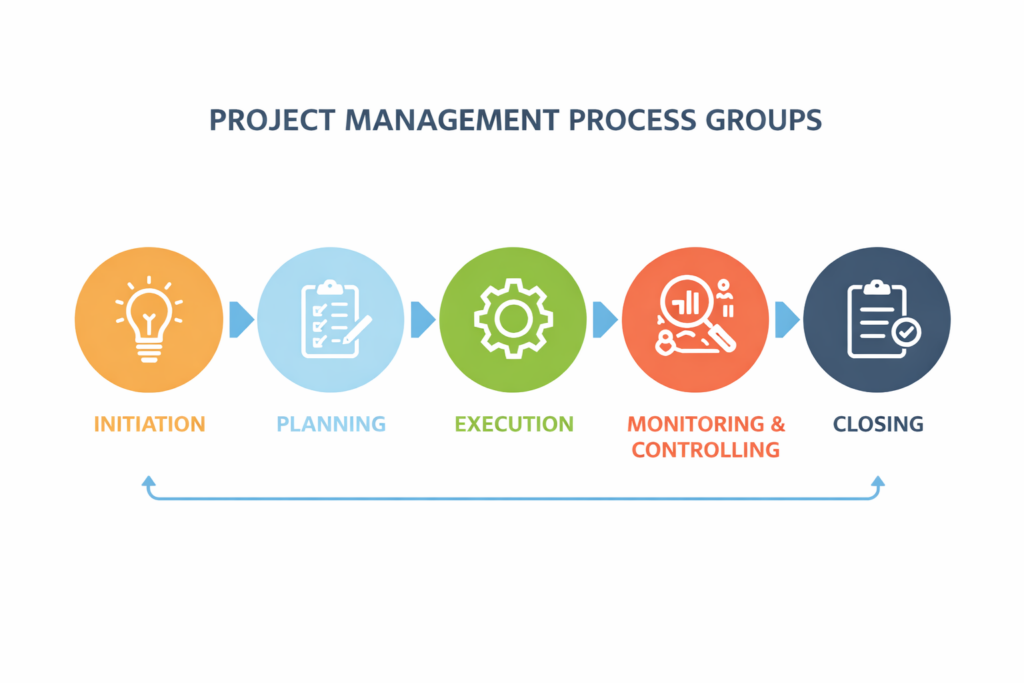
Focusing on the Process domain will help you understand how projects move from planning to execution and how to measure success along the way.
The Process domain covers the technical knowledge and tools needed to manage projects successfully, including integration, scope, time, and cost management. For a deeper understanding of how PMBOK 8 balances structure and agility in project management, you can read our detailed blog on PMBOK 8 Edition – The Perfect Balance Between Structure and Agility.
Business Environment Domain
The Business Environment domain focuses on how projects align with organizational goals and strategies. This domain ensures that project managers consider the bigger picture, including compliance, value delivery, and benefits realization. Key topics include:
- Understanding organizational culture and structure
- Regulatory compliance and governance
- Measuring project performance in terms of business value
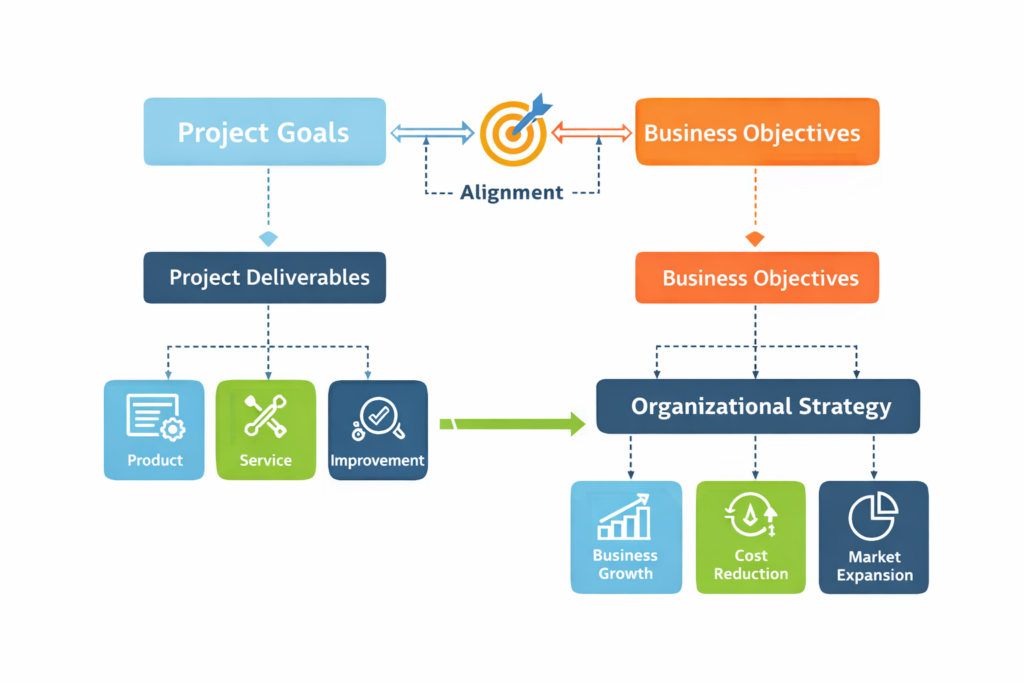
The Business Environment domain teaches you to make decisions that benefit both the project and the organization.
How to Use the PMP Certification Syllabus for Exam Preparation
- Studying each domain in detail, starting from the weakest area
- Breaking down the syllabus into smaller topics and studying one topic at a time
- Making use of multiple resources to study for the PMP
- Joining a structured training program to guide you in your PMP journey
- Regularly giving mock tests to assess and improve your understanding
Frequently Asked Questions About the PMP Certification Syllabus
Q1: What are the main domains of the PMP certification syllabus?
The syllabus covers three domains: People, Process, and Business Environment.
Q2: Is the syllabus the same worldwide?
Yes, the PMP certification syllabus is standardized by PMI and applies globally.
Q3: Can I focus only on one domain for the exam?
No, exam questions are spread across all three domains, so comprehensive preparation is required.
Q4: How do I apply the syllabus to real projects?
By practicing techniques in real or simulated projects while studying the syllabus. You can also enroll in a structured training program that provides practical case studies and real-world examples. For complete guidance, you can visit our PMP Certification page to explore detailed course support and preparation resources.
Key Tips for PMP Exam Success
- Follow a daily study schedule based on the syllabus
- Focus on weak domains and practice scenario-based questions
- Use online resources and training programs to strengthen understanding
- Regularly review PMBOK concepts and past exam questions
By following the syllabus step-by-step, you will not only prepare for the exam but also develop the skills needed to manage projects successfully.
Conclusion
Understanding the PMP certification exam and becoming a successful project manager is to understand the PMP certification syllabus. This is where a detailed study of all the domains will help you prepare and give you confidence to face the PMP certification exam.
To know more about PMP certification, for comprehensive guidance and professional training, visit our PMP certification page to explore our courses and resources.